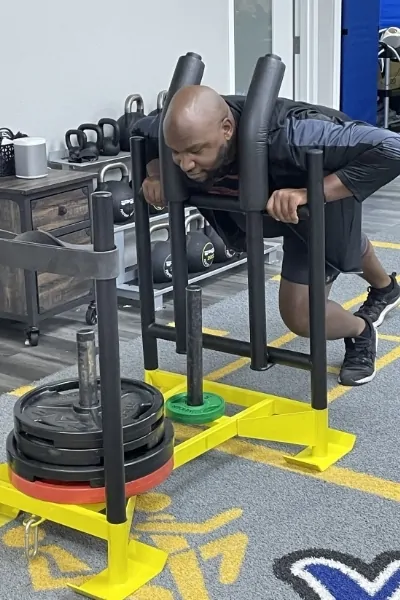
After an injury or surgery, many patients worry about returning to physical activity. They wonder if it’s safe to lift weights, whether their body can handle the stress, or how to avoid future injuries. At BioSport Physical Therapy, we help patients move beyond basic rehab by introducing strength training for rehabilitation, a performance-focused strategy that rebuilds muscular strength, enhances movement patterns, and supports long-term recovery.
Below, we answer common questions from patients who are ready to regain strength, restore function, and get back to doing what they love.
Frequently Asked Questions about the Role of Strength Training in Rehabilitation
How is strength training used in rehabilitation?
Strength training for rehabilitation involves structured, progressive resistance training to help individuals regain muscle function, power, and control after an injury. Unlike early rehab, which may focus on gentle mobility or pain reduction, performance-based strength training emphasizes building strength in meaningful, real-life movement patterns.
This type of training prepares patients to return to sport, work, or daily activities with more confidence and less risk of re-injury. It is not about lifting heavy right away but rather using a targeted, science-backed approach to develop strength where it matters most.
Is strength training safe after an injury?
Yes, when guided by a licensed physical therapist, strength training is both safe and beneficial following injury. Therapists at BioSport Physical Therapy begin with a thorough assessment to understand movement capacity, current strength levels, and any limitations. From there, they build a plan that progresses gradually.
Strength training is customized to each patient’s condition and goals. Careful load selection, movement control, and progress monitoring make it an essential part of successful rehabilitation.
What are the benefits of strength training for rehabilitation?
There are several physical and psychological benefits associated with strength training. These include:
- Increased muscle strength and endurance
- Improved joint stability and alignment
- Better coordination and control during daily tasks
- Reduced likelihood of re-injury
- Greater independence in movement and activity
- Enhanced confidence in physical abilities
Performance-based strength training also helps patients feel more in control of their recovery process and better prepared for long-term health and function.
How is strength training different in physical therapy versus a gym setting?
In a general gym environment, workouts often focus on appearance or general conditioning. In contrast, physical therapy integrates strength training into a recovery plan that aligns with injury-specific goals and functional outcomes.
At BioSport Physical Therapy, therapists do not follow cookie-cutter plans. Instead, they tailor programs based on biomechanics, movement assessments, and return-to-function demands. The exercises are selected to improve performance in everyday or sport-specific activities, not just to build muscle for aesthetics.
When should I start strength training after an injury?
The ideal time to begin strength training for rehabilitation varies based on the type of injury and the phase of healing. Physical therapists use clinical reasoning and patient response to determine when it’s appropriate to introduce loading strategies.
In general, once swelling has decreased, basic movement patterns have returned, and pain is well-managed, therapists begin layering in low-load strengthening that gradually builds intensity. This structured progression ensures patients develop strength at a safe and effective pace.
Can strength training help prevent future injuries?
Absolutely. One of the key benefits of strength training is its ability to reduce the risk of future injury. By targeting weak points, correcting compensations, and reinforcing proper movement, patients develop a stronger and more resilient body.
Injury prevention is not just about avoiding discomfort; it’s about performing tasks and activities with confidence, whether that means lifting groceries, running a 5K, or competing in a sport.
Will I have a personalized program?
Yes. At BioSport Physical Therapy, every patient receives an individualized program based on their condition, goals, and functional needs. Physical therapists assess range of motion, strength deficits, and movement patterns to design a program that evolves as the patient progresses.
This individualized approach makes strength training for rehabilitation more effective and more sustainable than generic plans or self-guided workouts.
Start Stronger with BioSport Physical Therapy
If you’ve recovered from an injury but still don’t feel strong or stable, you don’t have to figure it out alone. At BioSport Physical Therapy, we help bridge the gap between basic rehab and full return to activity. With a personalized strength training plan, you can build the foundation needed for real results.
Contact BioSport Physical Therapy today to schedule your assessment and learn how strength training can move your recovery forward.
Tags: Strength Training, injury recovery, muscle building, rehab exercises